How Handheld Ferromagnetic Detection Prevents Injuries and Equipment Damage
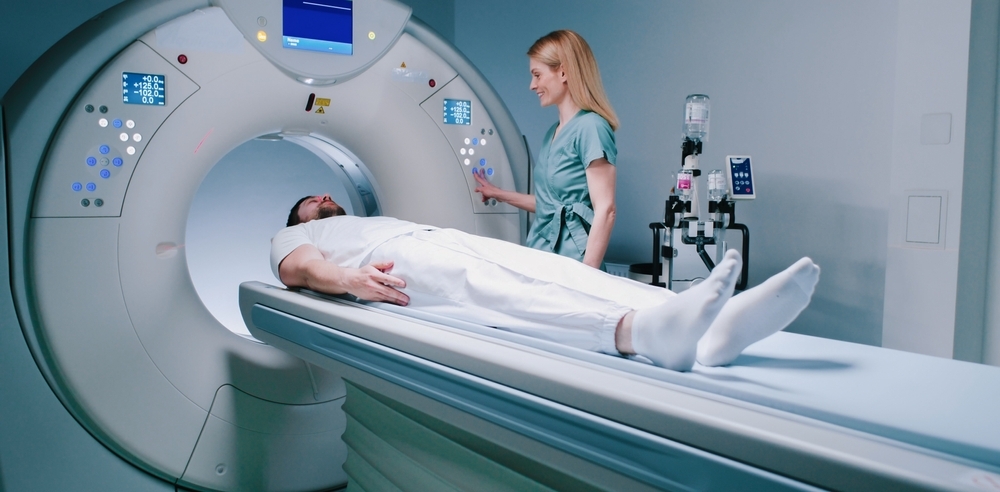
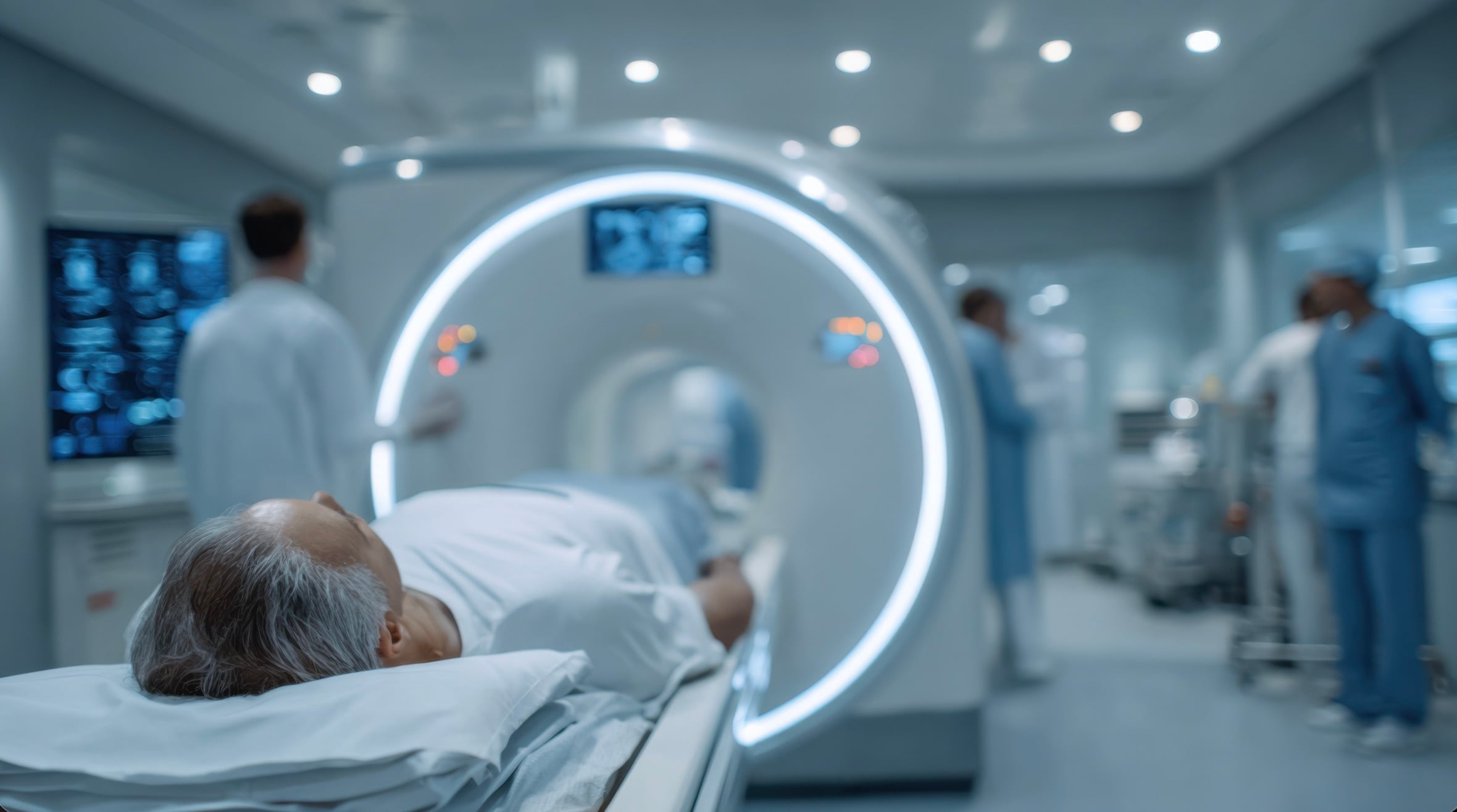
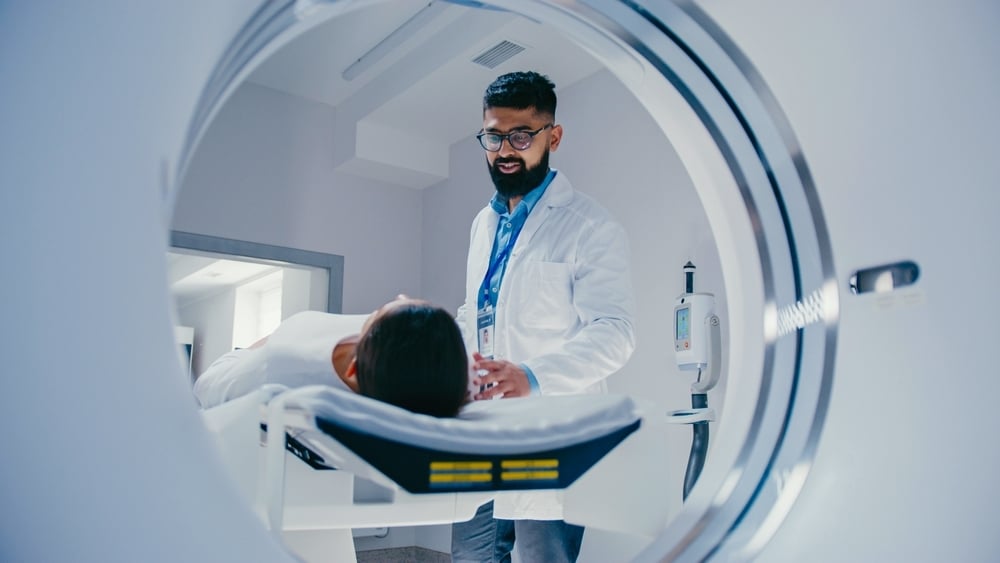
MRI safety starts before a patient enters the scanner room. Every screening decision matters, and even a small oversight can create serious risks for patients, staff, and equipment.
While written and verbal screening protocols are essential, they cannot always identify every potential hazard. Forgotten personal belongings, overlooked objects, and incomplete information can create gaps in the screening process.
Handheld ferromagnetic detectors provide an important additional layer of protection. By allowing trained MRI personnel to screen patients directly for potential ferromagnetic hazards, these devices help strengthen existing safety procedures and support safer MRI workflows.
For hospitals, outpatient imaging centers, and other MRI facilities, handheld detection technology is a practical tool for improving patient screening and helping reduce the risk of MRI projectile incidents.
Why Handheld Ferromagnetic Detection Matters in MRI
MRI scanners use powerful magnetic fields that can attract ferromagnetic objects with significant force. If a hazardous object enters the scanner room, it can become a projectile and potentially cause serious injury or equipment damage.
Patient screening is designed to identify these risks before anyone enters the restricted MRI environment. However, screening questions and visual checks have limitations.
Patients may forget they are carrying an object, misunderstand a screening question, or be unaware that an item presents a potential hazard. Staff must also manage busy schedules, changing patient needs, and consistent adherence to safety procedures.
Handheld ferromagnetic detectors add another opportunity to identify potential hazards before the patient proceeds farther into the MRI environment.
The advantage is straightforward: trained staff can combine patient communication and established screening procedures with an additional physical screening check.
Handheld detection does not replace MRI safety protocols. It strengthens them.
MRI RF Burns: A Persistent Patient Safety Risk
MRI-related thermal injuries remain a major patient safety concern. A 2024 systematic review published in the Journal of Medical Radiation Sciences reported that thermal injuries accounted for 59% of MRI adverse-event reports submitted to the U.S. Food and Drug Administration (FDA), making them the most frequently reported MRI-related adverse event.
These injuries can occur when radiofrequency (RF) energy causes excessive heating during an MRI examination. Contributing factors can include conductive materials, skin-to-skin contact, patient positioning, and medical devices or cables.
Effective MRI safety protocols must address these risks before scanning begins. Thorough patient screening and appropriate detection tools can help MRI teams identify potential hazards and strengthen their approach to patient safety.
Source: Baker C, et al. Systematic review of MRI safety literature in relation to radiofrequency thermal injury prevention. Journal of Medical Radiation Sciences. 2024;71(3):445–460. Read the peer-reviewed study.
How Handheld Ferromagnetic Detectors Support Patient Screening
Handheld ferromagnetic detectors are designed to help identify ferromagnetic materials during the screening process.
Used by trained personnel, these devices can support patient screening before entry into restricted MRI areas, including Zone III, according to the facility's established procedures.
Their role extends beyond simply checking for metal. They help staff add another layer of verification to a process where consistency and attention to detail are critical.
Key benefits include:
- Additional screening assurance: Helps identify potential ferromagnetic hazards that may not be discovered through questioning or visual inspection alone.
- Direct patient screening: Allows trained personnel to perform a hands-on screening check as part of the established workflow.
- Support for consistent procedures: Gives staff another practical tool to incorporate into routine screening practices.
- Potential hazard identification before scanner-room entry: Helps personnel identify and investigate alerts before patients proceed into higher-risk areas.
- Flexible use: Portable devices can be incorporated into screening workflows without requiring a permanently designated screening installation.
Detection capabilities vary by device and screening conditions. Personnel must follow manufacturer instructions, understand device limitations, and investigate alerts appropriately.
Why Handheld Detection Belongs in a Layered MRI Safety Program
No single screening method can identify every possible MRI hazard. Effective safety programs combine several measures to reduce risk.
1. Written and Verbal Screening
Patient screening questions help identify medical implants, previous procedures, external devices, and other information relevant to MRI safety. Staff should follow established protocols and investigate responses that require additional evaluation.
2. Visual Checks and Patient Preparation
Personnel should follow facility procedures for identifying and removing prohibited personal belongings and assessing items that may enter the MRI environment.
3. Handheld Ferromagnetic Detection
Handheld detectors add another screening check to help identify potential ferromagnetic hazards. This additional step supports the screening process but does not replace implant verification, medical-device assessment, or other required safety checks.
4. Controlled Access to MRI Safety Zones
Access to restricted MRI areas must remain controlled. Personnel should ensure that required screening and authorization procedures are completed before entry into Zone IV, the MRI scanner room.
5. Staff Training and Consistent Workflows
Staff must understand how to use detection equipment, respond to alerts, and follow facility procedures. Regular training and review help maintain consistent screening practices.
Together, these measures provide a more comprehensive approach to MRI safety than relying on any single procedure.
The Role of Handheld Detection in MRI Safety Zones
MRI environments are organized into four safety zones, each with a different role in managing access and exposure to MRI-related hazards.
Zone I — Public Access
Areas generally accessible to the public where MRI-related hazards are not typically present.
Zone II — Screening and Preparation
The transition area where initial screening, patient preparation, and communication with MRI personnel commonly take place.
Zone III — Restricted Access
An area where access must be controlled because of potential MRI hazards. Appropriate screening and authorization are required before proceeding farther into the MRI environment.
Zone IV — MRI Scanner Room
The room containing the MRI scanner, where the magnetic field presents significant hazards and access must be strictly controlled.
Handheld ferromagnetic detectors can be incorporated into established screening procedures before patients enter restricted areas. The facility's MRI safety policies should define when screening takes place, who performs it, and how potential hazards are addressed.
The goal is to identify potential risks as early as practical and prevent unsafe objects from reaching the scanner room.
What Should Healthcare Facilities Look for in a Handheld Ferromagnetic Detector?
Not all handheld detectors offer the same capabilities. Hospitals and imaging centers should evaluate equipment according to their screening requirements, clinical workflows, and MRI environment.
Important considerations include:
- Detection performance: Understand what materials the device is designed to detect and its limitations.
- Screening coverage: Consider the device's scanning area and how personnel will use it during patient screening.
- Clear alerts: Audio and visual indicators can help staff recognize potential detections and respond appropriately.
- Ease of use: A practical design can help personnel incorporate screening into established workflows.
- MRI compatibility: Verify that the selected model is approved for its intended operating environment and follow the manufacturer's conditions of use.
- Training and procedures: Ensure staff know how to operate the device, interpret alerts, and complete any required follow-up checks.
Choosing the right handheld detector is about more than purchasing equipment. It is about giving MRI personnel a practical tool that supports their responsibilities and strengthens the facility's overall safety process.
Aegys and CEIA Handheld MRI Screening Solutions
Aegys provides MRI safety solutions designed to help healthcare facilities strengthen screening procedures and protect patients, staff, and equipment.
Our handheld patient screening solutions include the CEIA PD240CH and PD240CH-Z4, designed to support the detection of both ferrous and nonferrous metals during patient screening. This dual detection capability helps address a broader range of potential hazards, including certain conductive materials that may contribute to RF burn risks.
By combining ferrous and nonferrous metal detection in a handheld screening solution, the PD240CH and PD240CH-Z4 offer a distinctive advantage for MRI patient screening. This capability helps facilities strengthen their screening procedures and adds another layer of protection against potential hazards before patients enter the MRI environment.
While metal detection alone cannot prevent all RF burns, identifying potentially hazardous materials is an important part of a comprehensive MRI safety program.
CEIA PD240CH Handheld Ferromagnetic Detector
The CEIA PD240CH is designed to support handheld ferromagnetic screening in healthcare environments.
Its features include a large scanning area, dual-tone audio alerts, a dual-color display, and selectable detection modes designed for different screening applications.
For MRI facilities, the PD240CH can serve as an additional screening tool within established patient and staff screening procedures, helping personnel identify potential ferromagnetic hazards before entry into restricted areas.
CEIA PD240CH-Z4 Handheld Detector
The CEIA PD240CH-Z4 is designed for applications requiring an MRI-conditional handheld detector suitable for use within the scanner-room environment, subject to the manufacturer's specified conditions.
This capability can support facilities whose screening procedures call for a compatible handheld detector in that setting. MRI compatibility and permitted use must always be verified against the manufacturer's instructions and applicable facility policies.
Why Work with Aegys?
Selecting detection equipment is only one part of building an effective MRI safety process. Healthcare facilities also need to understand where screening fits into their workflows and how personnel should respond to potential hazards.
Aegys focuses on MRI safety solutions that support practical screening, safer access, and consistent procedures.
We help facilities evaluate handheld detection options based on their operational needs and the intended application, with the goal of supporting a more comprehensive approach to MRI safety.
Explore our MRI safety solutions to learn more about the CEIA PD240CH and PD240CH-Z4.
Final Thoughts: Strengthen MRI Safety One Screening Step at a Time
MRI safety depends on consistent procedures, trained personnel, controlled access, and appropriate technology. Handheld ferromagnetic detectors provide an important additional screening tool, helping staff identify potential hazards before they reach the MRI scanner.
For hospitals and imaging centers, incorporating handheld detection into established screening procedures can strengthen the overall safety process and provide personnel with another practical safeguard.
Aegys helps healthcare facilities evaluate handheld MRI screening solutions that support safer workflows and more comprehensive MRI safety programs.
Explore Aegys handheld MRI screening solutions to learn how the CEIA PD240CH and PD240CH-Z4 can support your facility's MRI safety procedures.
Frequently Asked Questions About Handheld MRI Ferromagnetic Detection
Why are handheld ferromagnetic detectors important for MRI patient screening?
Handheld ferromagnetic detectors provide an additional opportunity to identify potential ferromagnetic hazards during patient screening. They supplement written and verbal screening, visual checks, and other established safety procedures.
Can a handheld ferromagnetic detector replace MRI screening questions?
No. Screening questions remain essential for identifying implants, medical devices, previous procedures, and other considerations that a detector cannot assess. Handheld detection complements these procedures rather than replacing them.
When should patients be screened with a handheld ferromagnetic detector?
The timing should follow the facility's MRI safety procedures and the detector manufacturer's instructions. Screening is commonly incorporated before patients proceed into restricted MRI areas, with appropriate checks and authorization completed before entry into Zone IV.
Do handheld ferromagnetic detectors identify every metal object?
No. Detection depends on the device's capabilities, the material, the object's characteristics, and the screening conditions. A detector should not be assumed to identify every metal object or every MRI hazard.
What is the difference between the CEIA PD240CH and PD240CH-Z4?
The appropriate model depends on the intended screening application and operating environment. The PD240CH supports handheld ferromagnetic screening, while the PD240CH-Z4 is designed for specified MRI-conditional use within the scanner-room environment. Facilities should confirm each model's specifications and operating conditions before selecting it.
How do handheld detectors help prevent MRI projectile incidents?
They provide another opportunity to identify potential ferromagnetic hazards before those hazards reach the scanner room. When personnel investigate alerts and follow established procedures, handheld detectors can contribute to reducing projectile risks.
Should every MRI facility consider handheld ferromagnetic detection?
Facilities should evaluate handheld detection as part of their overall MRI safety risk assessment and screening procedures. The appropriate device, screening location, and workflow depend on the facility's needs, equipment requirements, and established policies.
Related MRI Safety Resources