We Offer Fast, Professional and Exceptional Services

Choose Our TechGate

Patented MRI Safety Solution

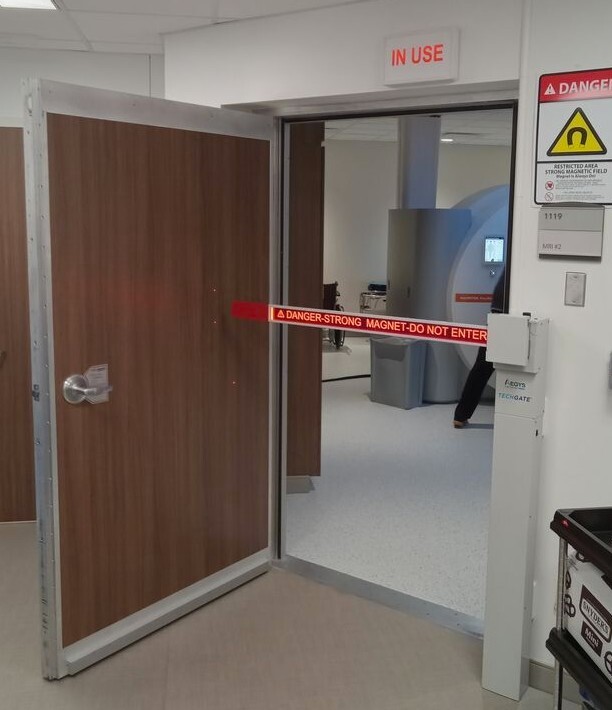
TechGate allows MRI staff to focus on the care of patients and efficient MRI room turnaround rather than worrying about anyone entering the room and adversely interacting with the dangerous magnetic field generated by the magnet.

MRI Patient Safety Matters Most

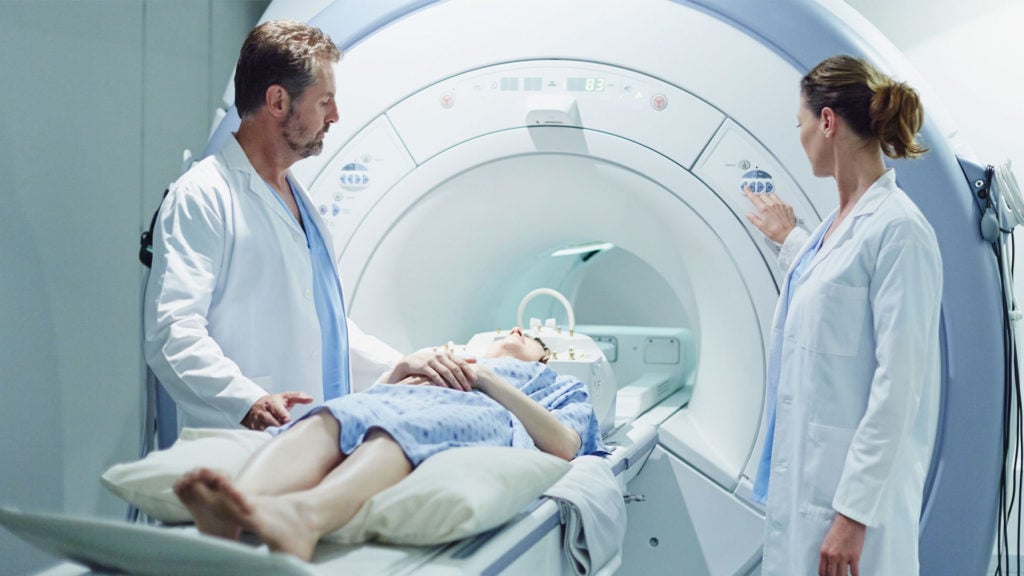
MRI patient safety is essential because the powerful magnetic field can turn everyday metal objects into dangerous projectiles and interfere with medical implants. Proper screening and controlled access help prevent injuries, protect patients, and ensure a safe imaging environment.

TechGate Video(Full)

mri-machine

100 +

Completed Projects

750 +

Happy Customers

20 K+

Working Hours

20 +

Healthcare Enterprise Partnerships

Testimonials

What Our Clients Say

Trusted by healthcare professionals worldwide

“
Overall, we have been very pleased with the handheld CEIA detector. It has been a valuable addition to our MRI screening process, helping us detect ferromagnetic items that our stationary Ferroguard has occasionally missed. It has also been especially useful for screening patients who are unable to stand or have mobility limitations. We highly recommend the handheld CEIA detector and consider it an excellent enhancement to MRI safety screening.
CG

Christine Gianvito R.T.(R)(MR)(MRSO)

“
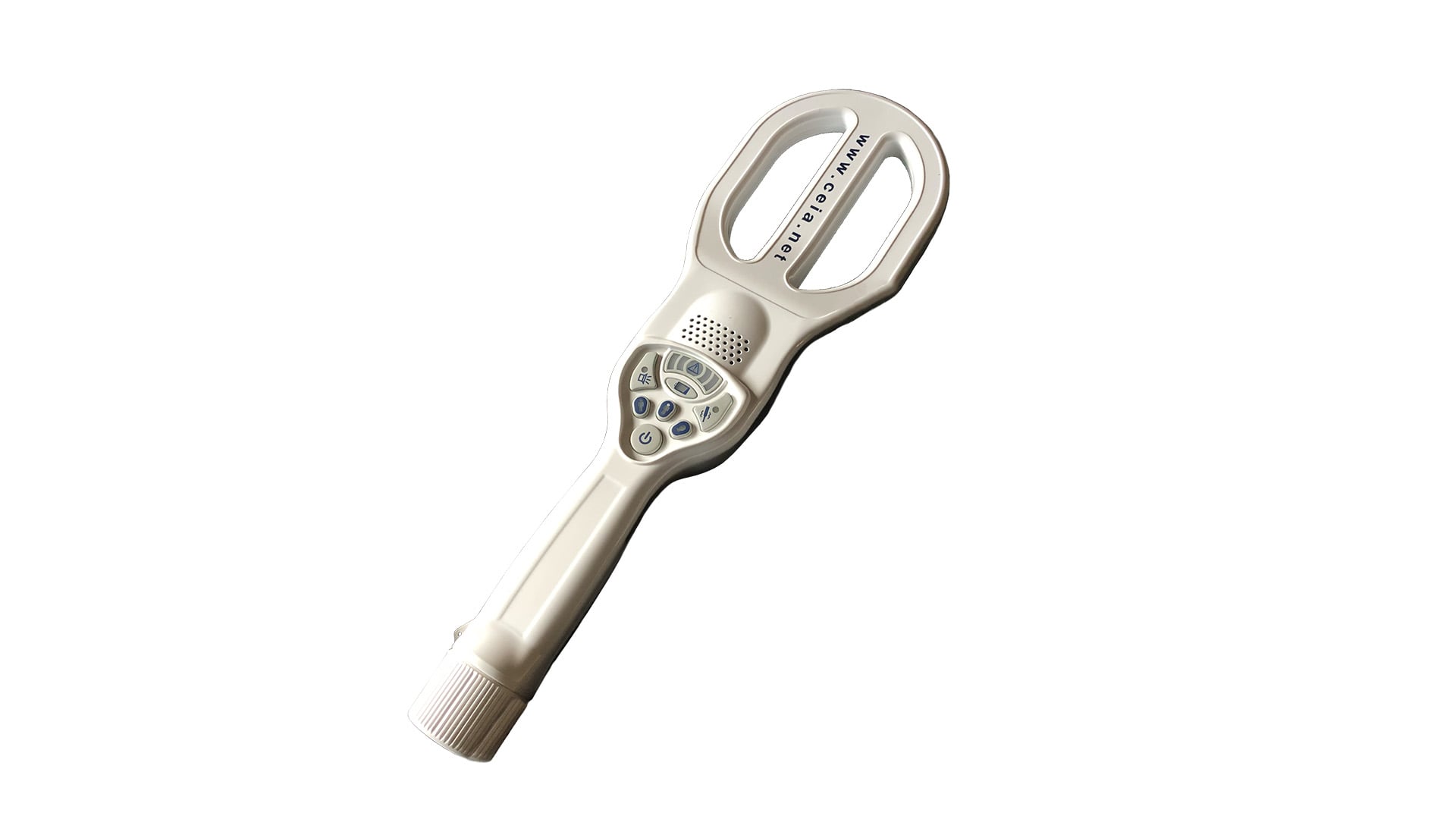
The PD240CH metal detection wand has become a standard MRI patient screening tool at all MRI locations within my large healthcare organization. In 2025, the PD240CH was directly involved in 33.3% of our internally reported MRI "good catches." For the first six months of 2026, that increased to 51.7%. The ability to alert for both ferrous and nonferrous metals sets the PD240CH apart. While there is rightly a strong focus on detecting ferrous objects, nonferrous objects can also pose significant risks for MRI patients. The different settings allow us to identify metallic foreign bodies as ferrous or nonferrous, providing critical information when determining MRI safety. We've used this feature not only to identify patients who should not be scanned, but also to safely allow patients to undergo MRI who may have otherwise been turned away. Additionally, it is approved for use on patients with EMF-sensitive implants, such as pacemakers. With proper user training, the PD240CH has become an incredibly valuable tool in our MRI screening workflow and one that every MRI facility should consider incorporating.
RP

Randy Parker

“
The CEIA PD240CH has become an invaluable tool for our MRI technologists, enhancing safety within the MRI environment. It has been successfully integrated into our daily workflow and has helped prevent potential Zone IV safety events, including identifying projectile risks and detecting previously undisclosed or unsafe implants. The PD240CH provides an added layer of confidence and security for our staff as they work in one of the most hazardous areas of the hospital.
MB

Marcye Brown BSRT(R)(MR)MRSO(MRSC™)

“
The PD240CH provides peace of mind in our fast-paced, often-chaotic, constant stream of patients. As MR technologists can relate, the ever-changing implantable landscape feels more like navigating landmines! When a patient’s safety is in your hands, the easy-to-use PD240CH, hand-held, magnetic metal detector is a key safety tool. The fact the PD240CH readily provides answers in real-time is invaluable! Having the ability to adjust sensitivity levels as well as whether detecting magnetic or non-magnetic metals provides real-time answers in the sometimes-frenetic navigation of MR Safety needs.
VP

Vicki Place

“
The PD240CH is easy for staff to learn, use, and incorporate into their daily MRI workflows without adding significant time to busy schedules. It has improved our MRI screening process by providing an added layer of confidence when screening patients for metallic objects. The ability to identify ferrous versus non-ferrous materials gives us additional information to support MRI safety decision-making, while the device's precise localization capabilities make it easier to quickly identify the source of detected metal objects.
EG

Eileen G Day BS, RT (R)(MR), MRSO (MRSC™)

“
The PD240CH has been a great addition to our MRI safety protocols here. In the past, it was extremely difficult to reliably distinguish ferrous from non-ferrous objects or implants, but with the PD240CH, we can make MRI safety decisions much more confidently. Every MRI site should have this in their toolkit.
DC

Daniel Clevenger R.T.(R)(MR)(ARRT) MRSO(MRSC™)₹

“
We have used the “PD240CH” for a few years, now. In that time, we have been able to approve a number of exams that would otherwise not have been completed due to ‘unknown’ foreign bodies. The ferrous-detecting wand gives our staff a higher degree of confidence when deciding on whether or not to proceed with our exams.
FG

Fabian Gonzalez R.T. (R)(MR), MRSO (MRSC™)

“
The use of a ferromagnetic detection wand provides significant benefits in a busy MRI environment by serving as an additional layer of protection during the patient and personnel screening process. In our MRI departments, the handheld ferromagnetic detection wand is frequently used in conjunction with our wall-mounted ferromagnetic detection system. When the fixed system alarms, the handheld wand allows MRI personnel to quickly pinpoint the exact location of the ferromagnetic object on the patient. This targeted approach improves workflow efficiency, facilitates rapid identification and removal of the item, minimizes delays, and enhances the overall effectiveness of the screening process. We also use the handheld wand to evaluate body piercings and superficial metallic foreign bodies, including retained shrapnel and other metallic fragments. It helps determine whether these objects exhibit ferromagnetic properties, providing valuable information during the MRI safety assessment and guiding decisions regarding removal, additional evaluation, or modifications to the MRI examination, especially when the composition of a metallic object is unknown or cannot be verified.
MR

Mary Reaves R.T. (R)(CT) (MR) MRSO (MRSC™ )

“
Based on my review, the CEIA PD240CH is a well-designed handheld screening device that aligns with current MRI safety principles and supports best practices for patient screening. Its dual-sensing capabilities, ease of use, customizable screening modes, and operational efficiency make it a strong addition to a comprehensive MRI Safety Program. While no handheld detector replaces thorough patient screening, implant verification, or the judgment of qualified MRI personnel, the PD240CH provides meaningful additional protection that can help strengthen MRI safety processes. For healthcare organizations seeking to standardize patient screening practices, this device represents a practical investment in patient safety, staff confidence, and operational consistency.
CA

Cesar Alvarez

“
Our healthcare organization consists of more than 50 MRI scanners. As the MRSO, I oversee the west region, which includes 21 MRI scanners across 17 locations, ranging from ambulatory outpatient sites to Level 1 trauma hospitals. Each site is equipped with the PD240CH handheld metal detector, and we emphasize its consistent use as part of the MRI patient screening process. In March 2023, we launched a campaign across our MRI locations to encourage more consistent use of the PD240CH, sharing real-world examples where the device proved to be a vital screening tool. We also used the vendor-provided training materials to create an internal online training module that MRI technologists complete upon hire and annually thereafter. Since spring 2023, the number of reported MRI "good catches" has more than doubled compared to the previous two years. Proper use of the PD240CH as an additional screening tool was directly responsible for approximately 40% of those good catches. The versatility and detection sensitivity of the PD240CH have significantly enhanced our MRI patient screening process and, in some cases, provided crucial information to help determine whether a patient can be safely scanned. Other regions within our healthcare organization have since adopted the PD240CH and can also attest to its benefits.
RP

Randy Parker

“
At UCSF, MRI safety is foundational to everything we do, especially across a complex, multi-site environment with frequent procedural-based imaging. The implementation of the TechGate has significantly strengthened our MRI safety program by introducing a consistent, visible, and reliable layer of access control between Zones III and IV. The TechGate’s electronic features and clear visual warning has helped reinforce safe behaviors and create a critical pause point for anyone approaching our magnets- something that is valuable and greatly appreciated in our high-acuity environment where multiple disciplines are involved in patient care. This device is easy to use, even in a busy clinical environment, and strengthens our MRI safety culture across all operations.
CD

Craig De Vincent

“
Many legacy facilities were designed long before today’s ACR 4-zone recommendations were established, often making a full four-zone entry progression physically impossible. When you can’t move walls to create a traditional Zone III-to-IV transition, the TechGate serves as a vital, active physical barrier that bridges the gap. It effectively safeguards the Zone IV environment without the need for a total department renovation, providing a clear visual and physical boundary at the most critical point of entry.
JA

Jen Armas, RT(R)(MR), MRSO (MRSC™), MRSE (MRSC™)

“
Sending a note to share my positive experience with the Aegys TechGate. We purchased our first TechGate many years ago and have since expanded to multiple campuses and more than 20 MR systems across outpatient, inpatient, intraoperative, and procedural MRI settings. TechGate has become a requested standard piece of MRI safety equipment in future imaging suite designs and an integrated layer of protection for our MRI environments. One of my favorite features is that the MR technologist can enter the magnet room for patient care while the Zone IV door remains open with the TechGate arm engaged, providing a visual and physical barrier across the Zone IV threshold. This allows staff to hear the technologist when additional patient support is needed while helping prevent unsafe or accidental entry into the magnet room—one of the most vulnerable points in MRI safety. The training videos have also been a valuable resource for demonstrating proper gate use and workflow integration, while helping partnering departments, such as anesthesia, understand how to work safely within our MRI environments. TechGate support and communication have been stellar, and we greatly appreciate the continued engagement and prompt service.
CC

Christina Calvin

“
As an MR Safety Officer, I’m always looking for practical solutions that reduce risk without slowing down workflow and TechGate does exactly that. With the latest guidance from the American College of Radiology MR Safety Committee recommending the use of a caution barrier, TechGate is not just a convenience it’s a forward-thinking safety solution that aligns with evolving best practices. It’s a smart investment in protecting both patients and staff while proactively preventing incidents before they occur.
CA

Cesar A. Alvarez

Get in Touch

Contact us for more information about our solutions and services

Phone

1-(844)-423-4976

Email

info@aegysgroup.com

Response Time

Within 24 hours

Stay informed with our latest articles

Latest News & Updates

MRI Projectile Incidents Causes and Prevention

MRI Projectile Incidents: Causes and Prevention

Understanding MRI Safety Zones (Zone I–IV)

MRI environments are incredibly unique because of their powerful magnetic fields, which can attract ferromagnetic objects with extreme force. Strict...

Core MRI Safety Protocols Every Hospital Needs

Magnetic Resonance Imaging (MRI) is a powerful diagnostic tool, but it also presents serious MRI safety risks that require strict protocols and...